
By: Tanyon Cauley
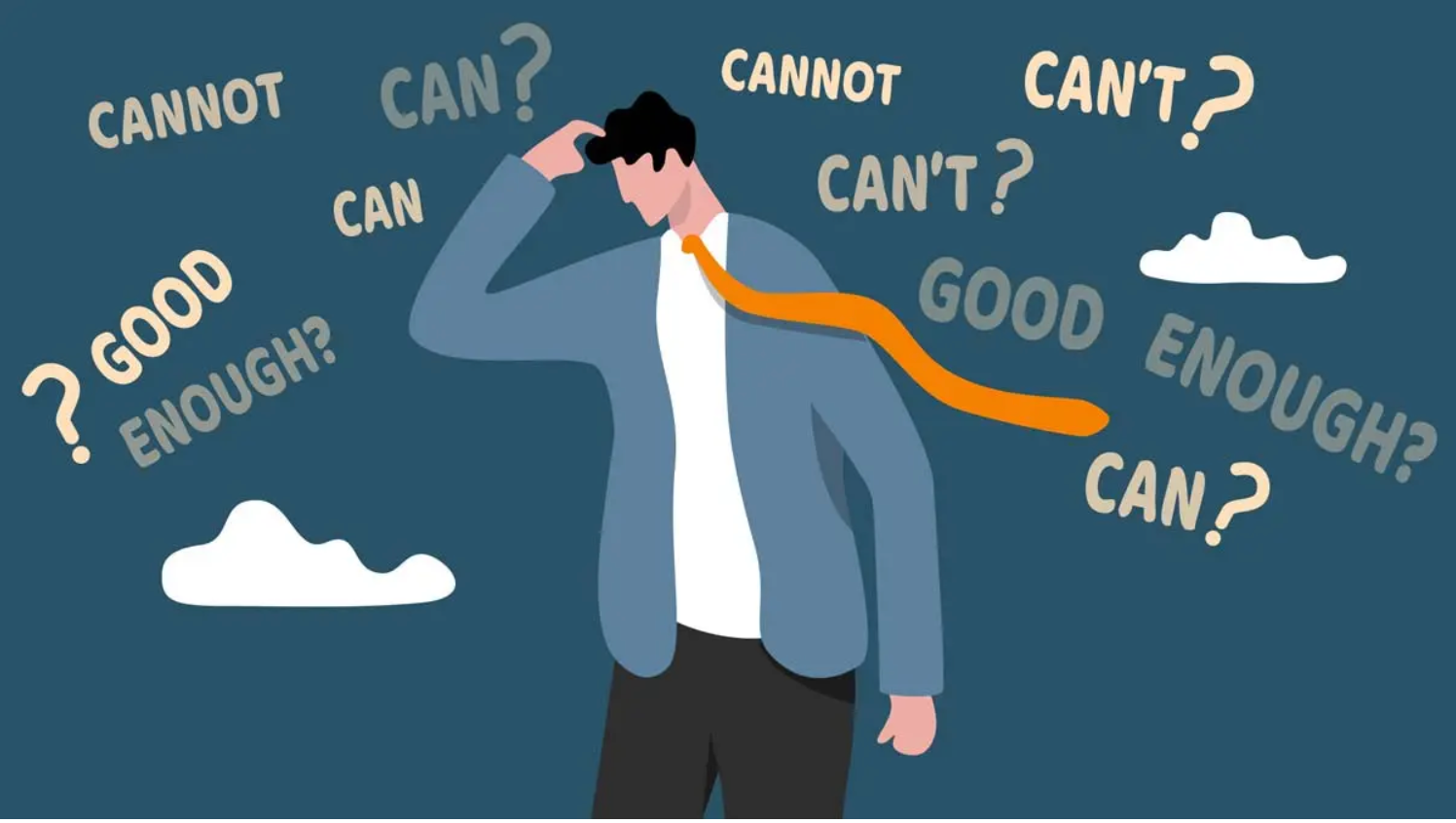
Have you ever felt out of place? Like you didn’t feel like you’ve earned the recognition and accomplishments that you have? This is known as impostor syndrome, and is much more common than people think. About 70% of people experience impostor syndrome at some point in their lives. This is especially true for college students, as many of them struggle with intense feelings of self-doubt, feelings of inferiority to their peers, and the belief that their accomplishments aren’t deserved. Impostor syndrome can greatly affect self-worth and confidence; however, there are many ways to overcome these thoughts or help someone in need.
Especially in college, surrounded by successful peers, students can experience a great deal of impostor syndrome from comparing themselves to others. This can spiral into intense anxiety and depression if not treated or recognized. This is an issue that’s difficult to spot, but many more people are affected by it than it seems. Without proper education on the topic, people might not realize that they are not alone in dealing with impostor syndrome.
So, how does someone overcome impostor syndrome? There are many ways to go about it, but the simplest, and sometimes most effective, is just expressing these feelings and talking about them. Many people who deal with impostor syndrome struggle to express their feelings, making them feel like they’re totally alone and worsening their anxiety.
Another way to overcome impostor syndrome is to log instances of hard work, as this shows how someone has worked for something and provides evidence that it is deserved. It is also helpful to get to the root of the issue and recognize which situations trigger these feelings. You can then develop coping mechanisms to help you overcome these feelings and work to remove yourself from situations that may trigger them.
In reality, getting over impostor syndrome is a personal journey that everyone must find their own way of accomplishing. Some might have creative ways to get over impostor syndrome, while others might just rely on a trusted peer or loved one. No matter how it’s done, getting over impostor syndrome is important. This is why it’s very important to raise awareness of the issue and ensure people understand that they are not alone if they’re going through impostor syndrome. Spreading awareness and being willing to help are the best ways to help, so make a difference and learn.